Back to CV

Publications

Articles, notes and reflections on technology, software architecture and leadership.

The Shared Experience VI: Dignity
Article

The Shared Experience VI: Dignity

What are we going to do with those who are not efficient?

Human dignity is at the center of a crucial debate about efficiency and technology. As artificial intelligence advances, it is vital to remember that dignity is not earned or lost, but is intrinsic to every human being, regardless of their production capacity or efficiency. This article invites reflection on the meaning of being human in a world that tends to value productivity over vulnerability and emotional connection.

The Shared Experience (V): Humor
Article

The Shared Experience (V): Humor

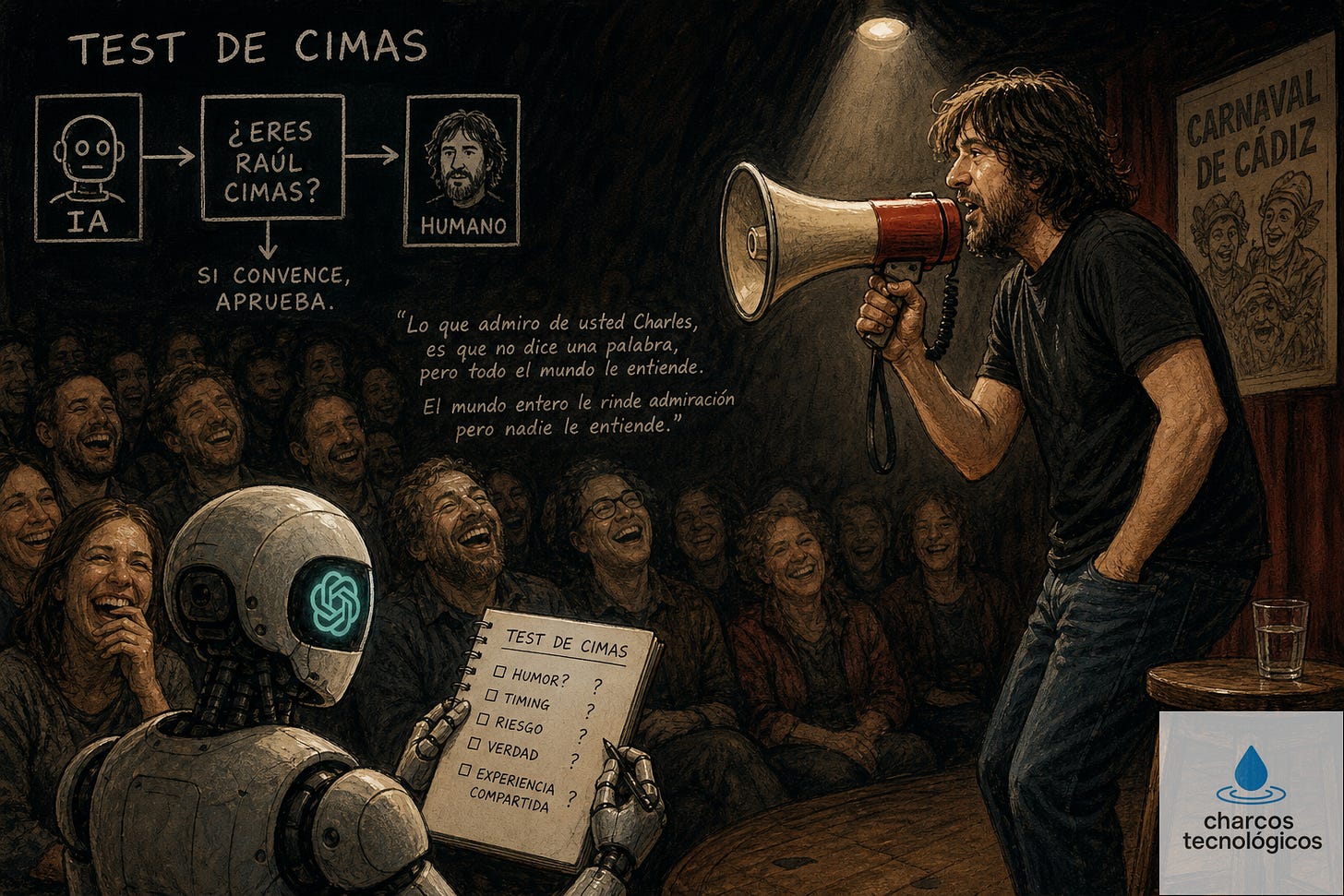
Has the day finally come when we need to apply the Cimas test?

Humor is one of the most authentically human characteristics and a reflection of our intelligence. Through anecdotes and reflections, it explores how humor not only serves to relieve tensions and connect with others, but also acts as a means of social denunciation and a way to confront our own miseries. The complexity of humor lies in its ability to touch the soul and generate shared experiences, something that machines still cannot fully replicate.

The Shared Experience (IV): Doubt
Article

The Shared Experience (IV): Doubt

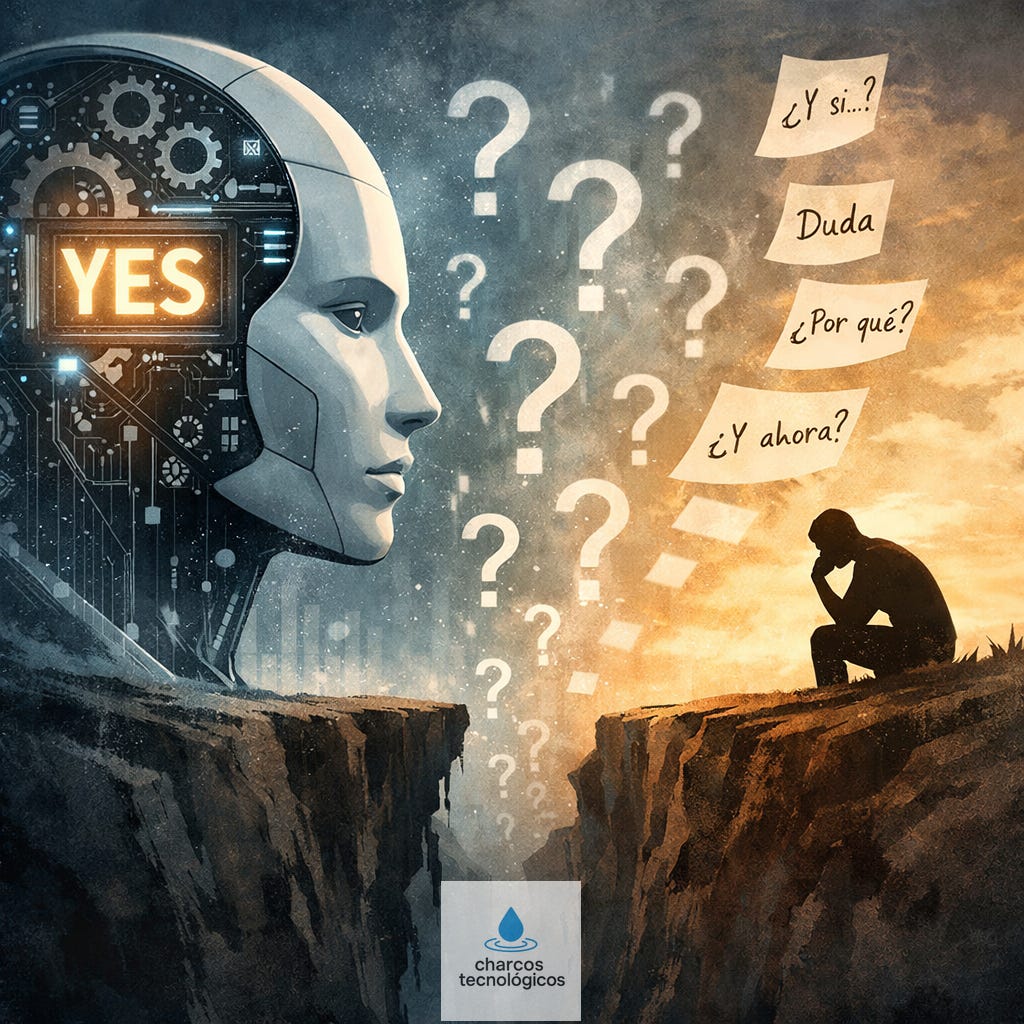
A series about what belongs to us exclusively

Doubt is a powerful tool that fosters critical thinking and personal reflection. Unlike assertions that limit debate, doubt opens a space to question and explore diverse perspectives, which is essential in an increasingly polarized world. This article invites us to value doubt as an antidote against manipulation and a driver of creativity and improvisation in our lives.

The Shared Experience (III): Fear
Article

The Shared Experience (III): Fear

A series about what belongs exclusively to us

Fear, far from being an obstacle, can be a driving force for creativity and personal growth. Through reflection on the fear of death, oblivion, and loneliness, it is proposed that this feeling can drive us to make valuable decisions and evolve as human beings. In a world where artificial intelligence threatens to change our professions, it is crucial to transform fear into an opportunity to explore new possibilities and strengthen our resilience.

The Shared Experience (II): The Drive to Create
Article

The Shared Experience (II): The Drive to Create

A series about what exclusively belongs to us

Human creativity emerges as an essential drive that connects us and helps us heal in times of pain. Through reflection on the creative capacity of machines, the question arises whether art needs intention and if beauty can exist without purpose, challenging our understanding of artistic creation.

The Shared Experience (I): Empathy
Article

The Shared Experience (I): Empathy

A series about what exclusively belongs to us

Empathy is one of the characteristics that distinguishes us as humans in an increasingly machine-dominated world. Through shared experience, we are able to emotionally connect with the pain and experiences of others, something that machines cannot replicate. This article explores how the ability to feel and understand the emotions of others is fundamental to our humanity and how, despite the imminent transformation that artificial intelligence will bring, the meaning of our experiences remains irreplaceable.

The Store is No Longer the (Only) Place to Shop
Article

The Store is No Longer the (Only) Place to Shop

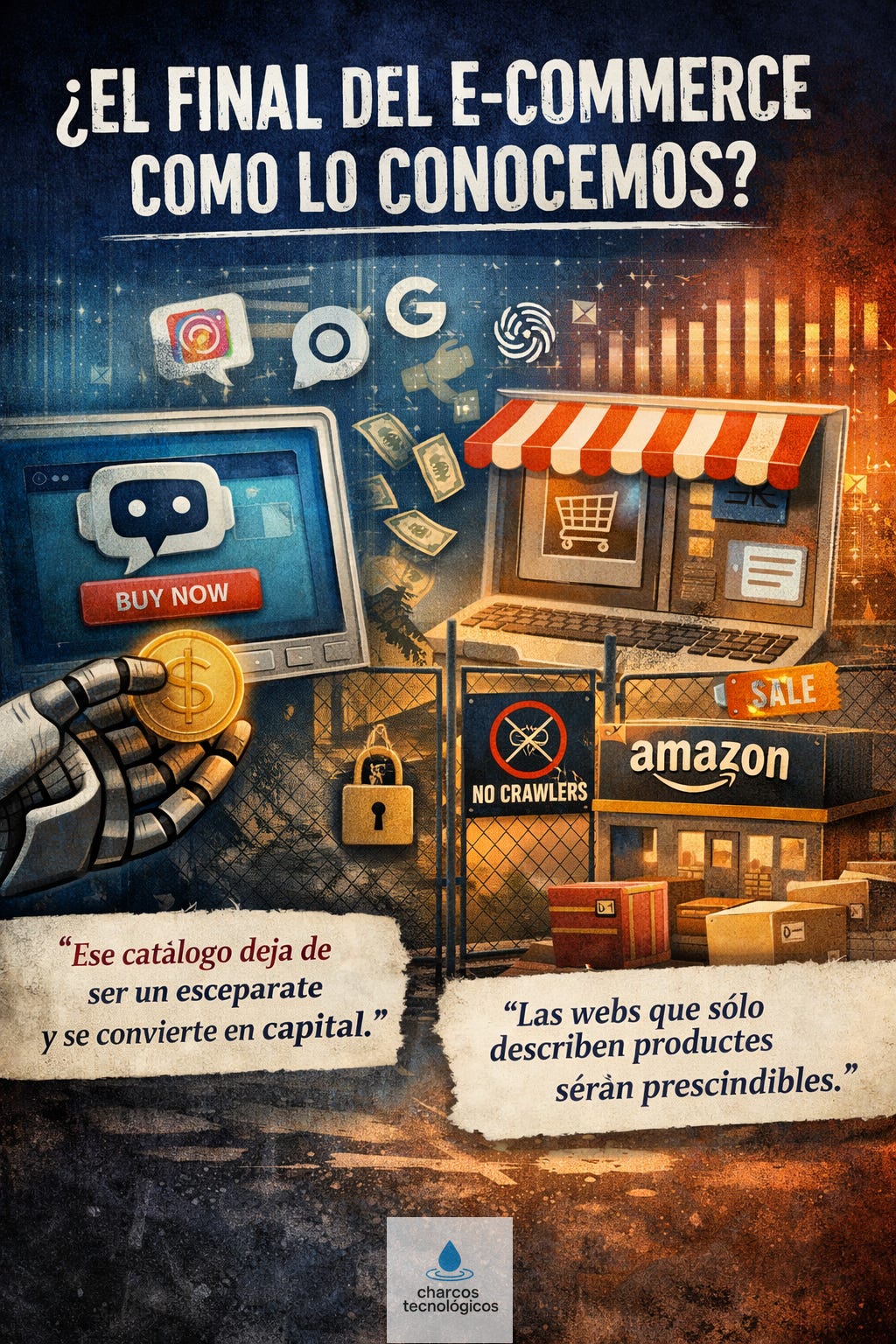
Shop without visiting, sell without controlling, and decide without seeing

The revolution of digital commerce is underway with the Universal Commerce Protocol (UCP), which promises to transform the way we shop by allowing transactions to be conducted through virtual assistants, such as those from Google. This shift, while reducing friction in the purchasing process, raises serious concerns about the loss of control for brands and the customer experience, as users will interact with products on platforms outside of traditional stores.

Thinkflix: Will We Go to the Gym to Think?
Article

Thinkflix: Will We Go to the Gym to Think?

When efficiency begins to erode the habit of thinking.

Artificial intelligence has transformed the way we think, making tasks that once required mental effort easier. However, this convenience can lead to a loss of mental agility, turning the act of thinking into a conscious decision rather than an automatic process. In this context, the idea of 'mental gyms' emerges, spaces dedicated to exercising our cognitive abilities to maintain autonomy and mental agility.

Criteria in the Age of Artificial Intelligence
Article

Criteria in the Age of Artificial Intelligence

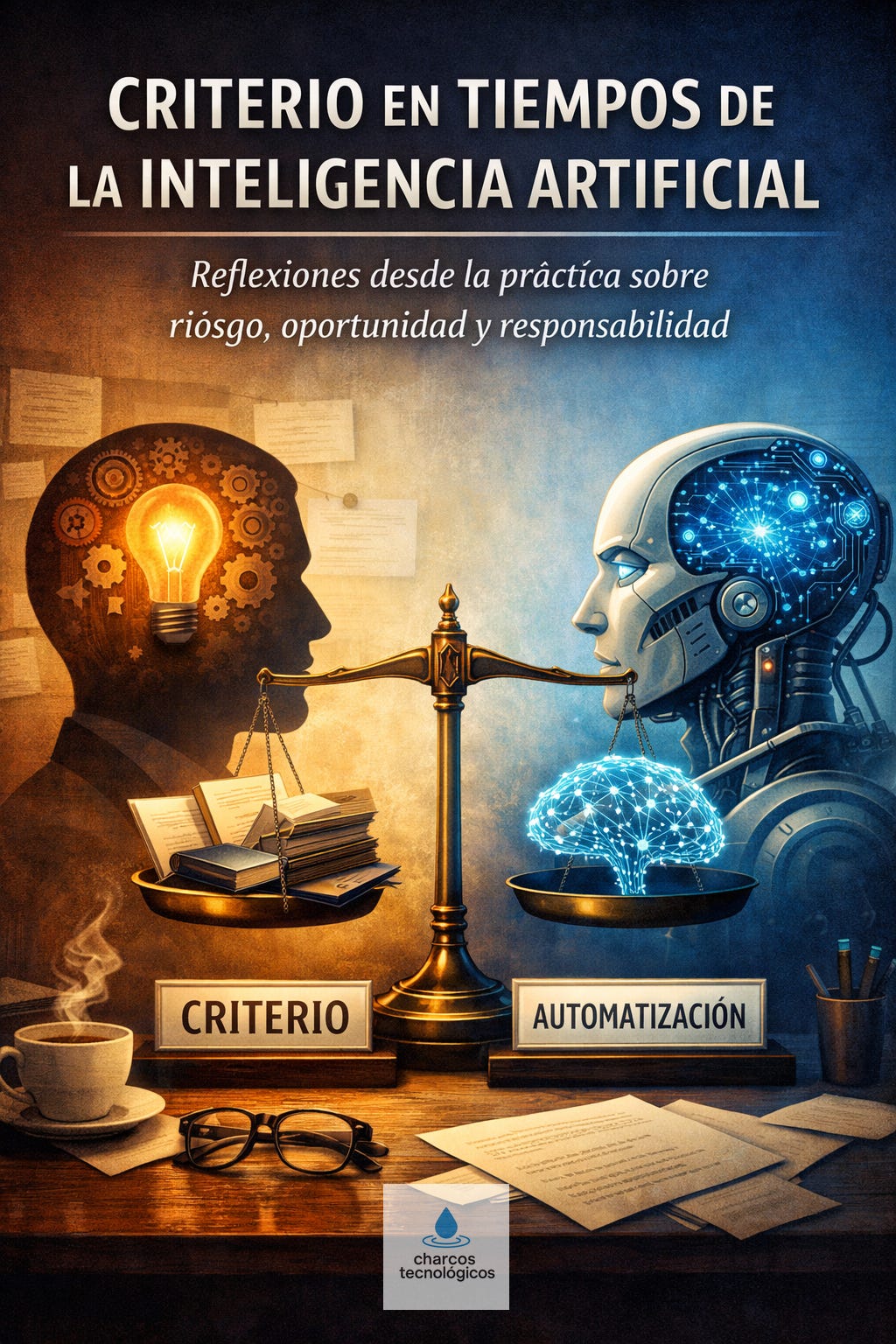
On delegating, supervising, and not abdicating responsibility

Artificial intelligence is transforming the labor landscape, presenting both risks and opportunities. In an environment where speed of execution is no longer sufficient, human judgment becomes the key differentiating factor, highlighting the importance of planning, supervision, and responsibility in the use of these technologies.

Beware of Your Partners
Article

Beware of Your Partners

Guide for a Critical Use of AI

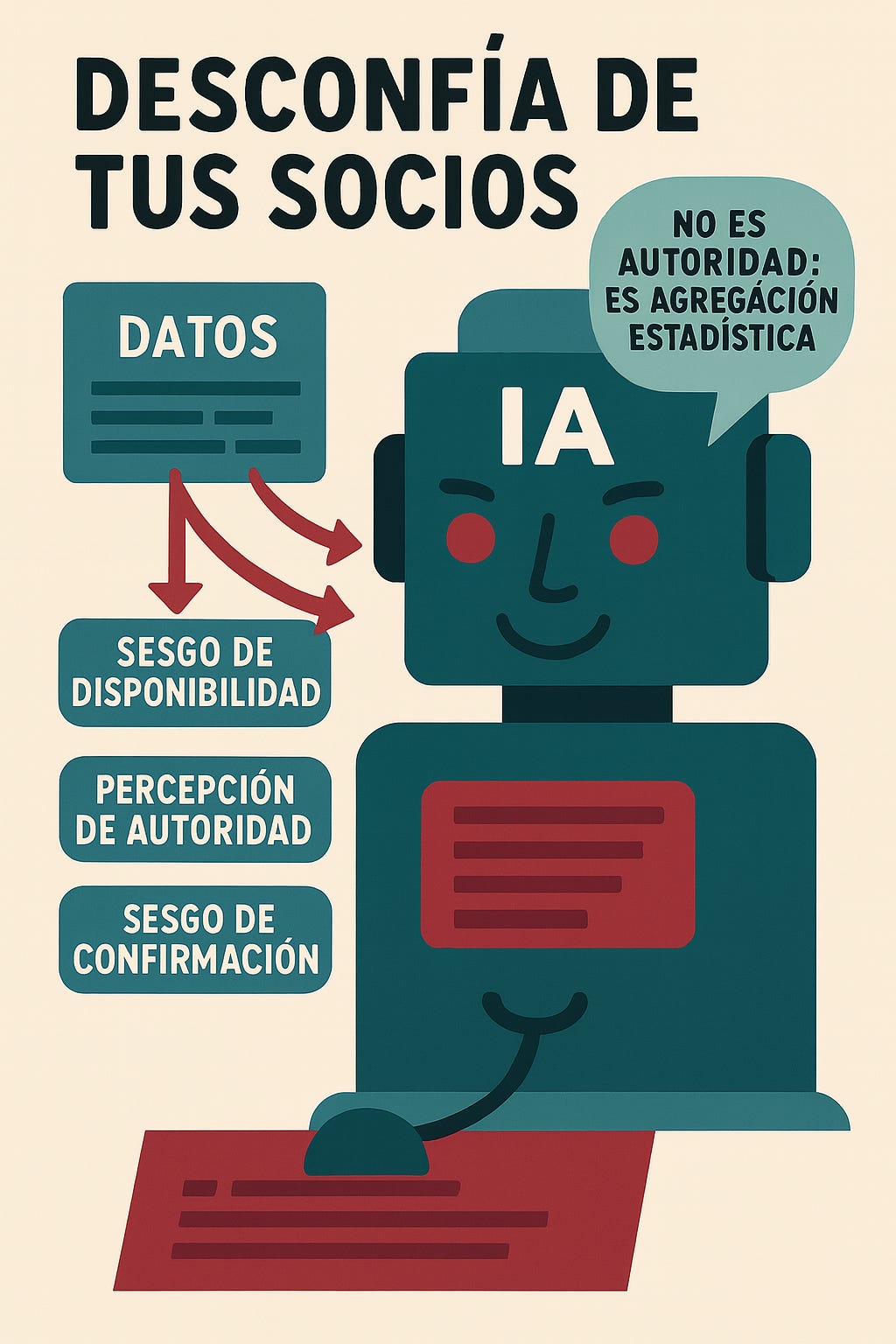
Artificial intelligence should not be seen as an infallible authority, but rather as a simple aggregation of information from the Internet. Its ability to generate convincing responses can lead to the acceptance of half-truths, highlighting the importance of questioning and verifying the information it provides, using critical thinking as our best tool.

GlossarIA or How to Bring Order to the Chaos of Artificial Intelligence
Article

GlossarIA or How to Bring Order to the Chaos of Artificial Intelligence

A common language to understand and work with AI seriously.

Artificial intelligence is revolutionizing the labor market, but many projects fail due to the lack of a common language among teams. GlossarIA emerges as an innovative solution: a living and collaborative glossary that clearly and practically defines the essential concepts of AI, allowing everyone to speak the same language and align their expectations to advance their projects.

Who would you blame if an autonomous car killed you?
Article

Who would you blame if an autonomous car killed you?

No one takes responsibility for delegating decisions to machines

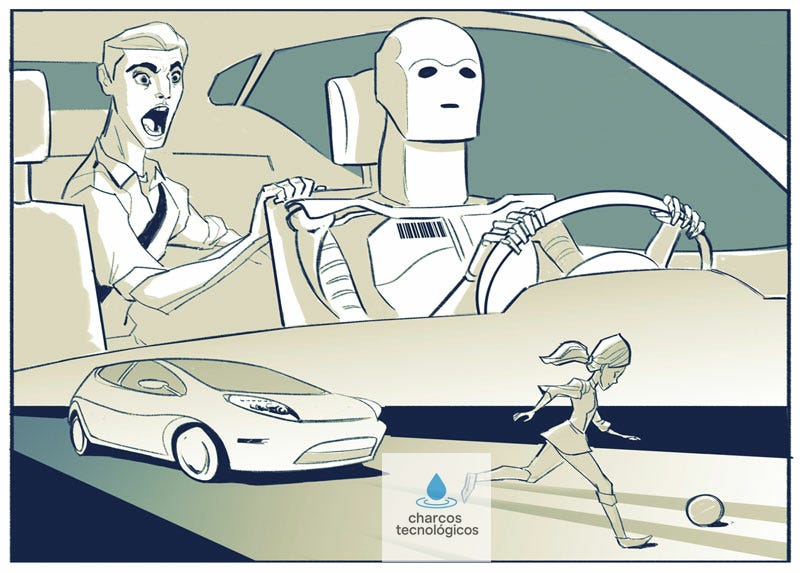
The possibility of being hit by an autonomous car raises a troubling question about responsibility. If a driverless vehicle causes a fatal accident, who should we blame: the manufacturer, the programmer, or the regulator? This dilemma reveals how delegating moral decisions to artificial intelligence can blur the line of human responsibility.

🧭 Heirs of the Uncertain
Article

🧭 Heirs of the Uncertain

How to prepare young people for a future we can't even imagine

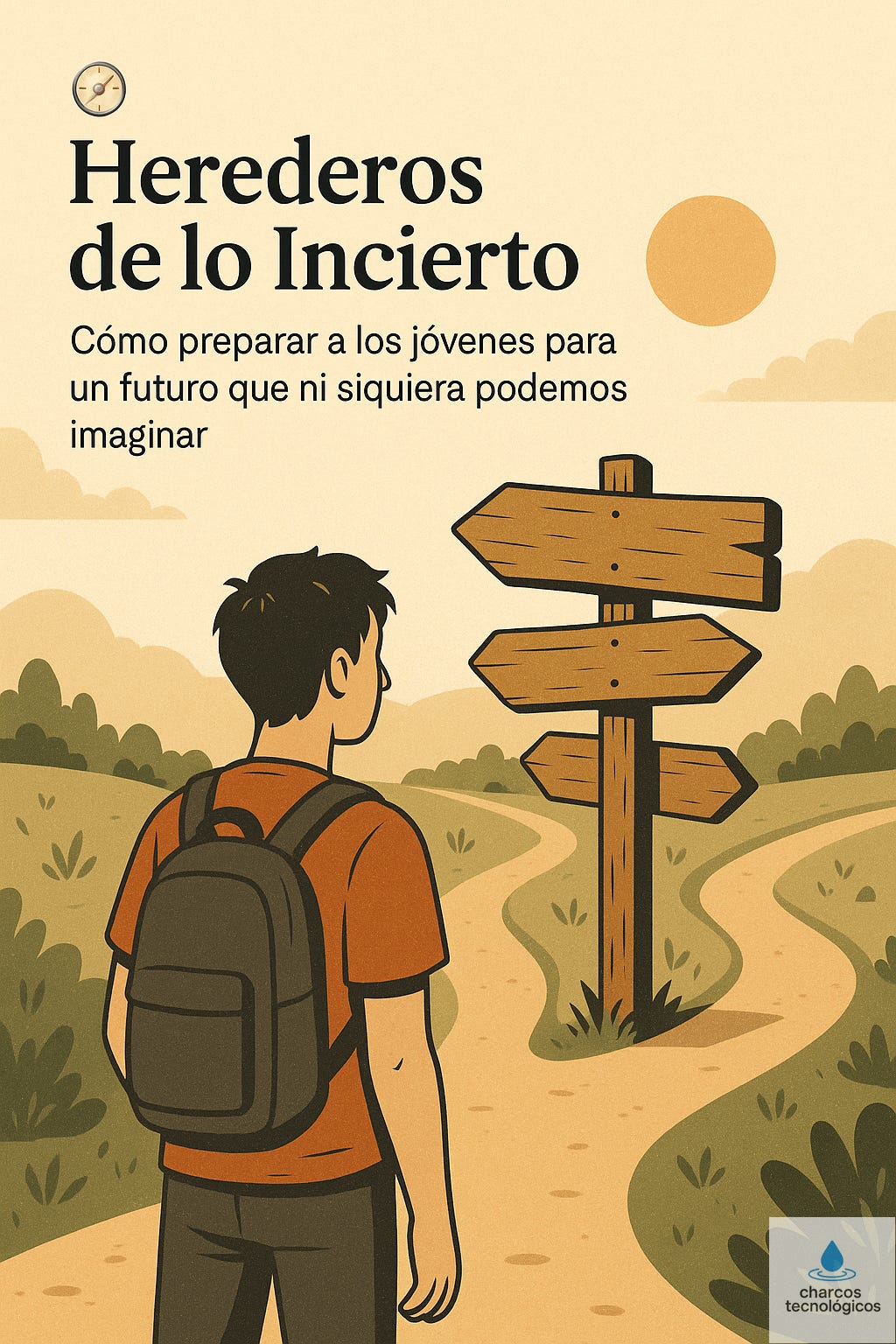
The current generation of young people faces a diffuse and overwhelming fear: the fear of being left behind in a rapidly changing world. They grew up in an environment marked by uncertainty, where artificial intelligence presents both a challenge and a tool, forcing them to rethink their identity and purpose in life. In this context, it is crucial to accompany them on their journey, fostering an intergenerational pact that prioritizes humanity over technological competition.

The "Definitive" Guide to NotebookLM to Help You Learn
Article

The "Definitive" Guide to NotebookLM to Help You Learn

I promise it's not definitive, but for now it works

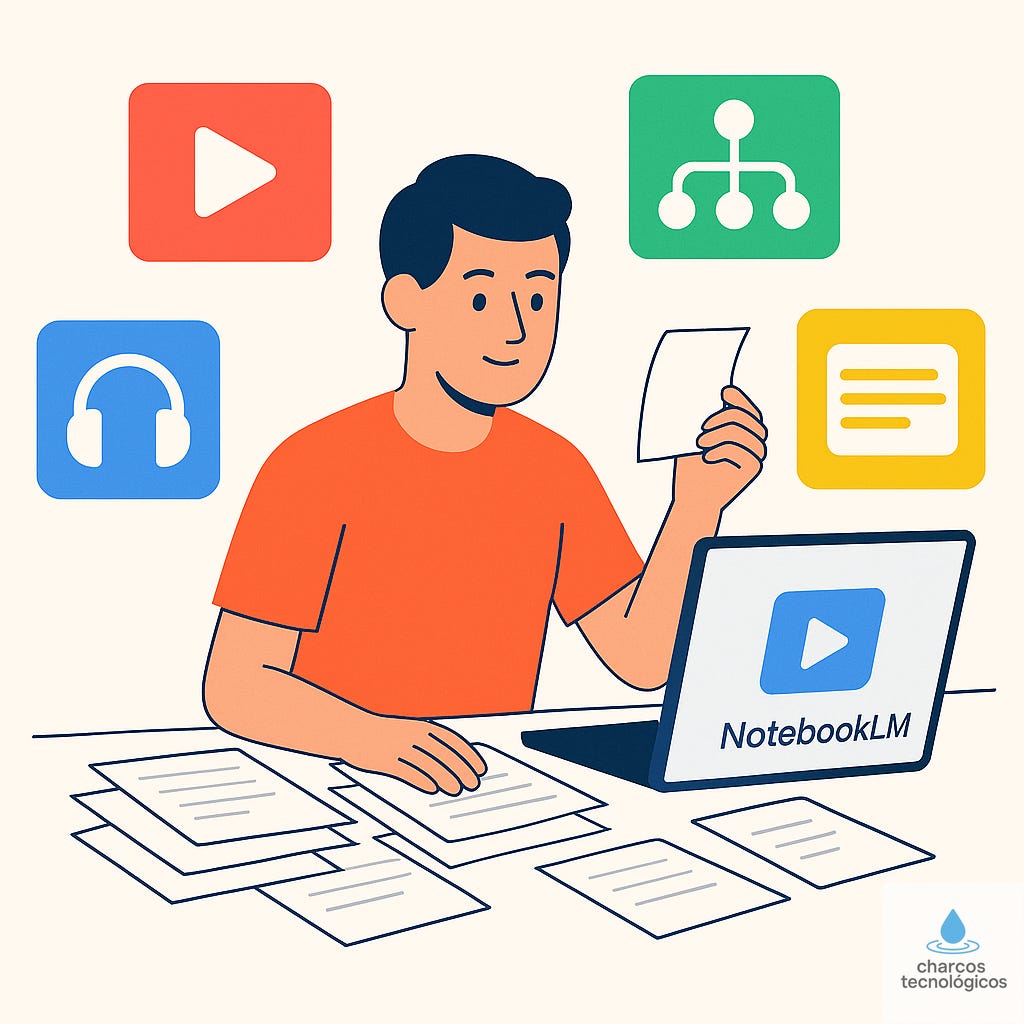
NotebookLM is presented as a revolutionary tool for personalized and effective learning. By integrating your own materials, you can overcome blocks and acquire knowledge at your own pace, using resources like interactive videos, podcasts, and mind maps. This guide will help you make the most of this innovative platform to optimize your learning process.

The Ultimate Guide to Collaborating with AI
Article

The Ultimate Guide to Collaborating with AI

How to turn language models into genuine teamwork tools.

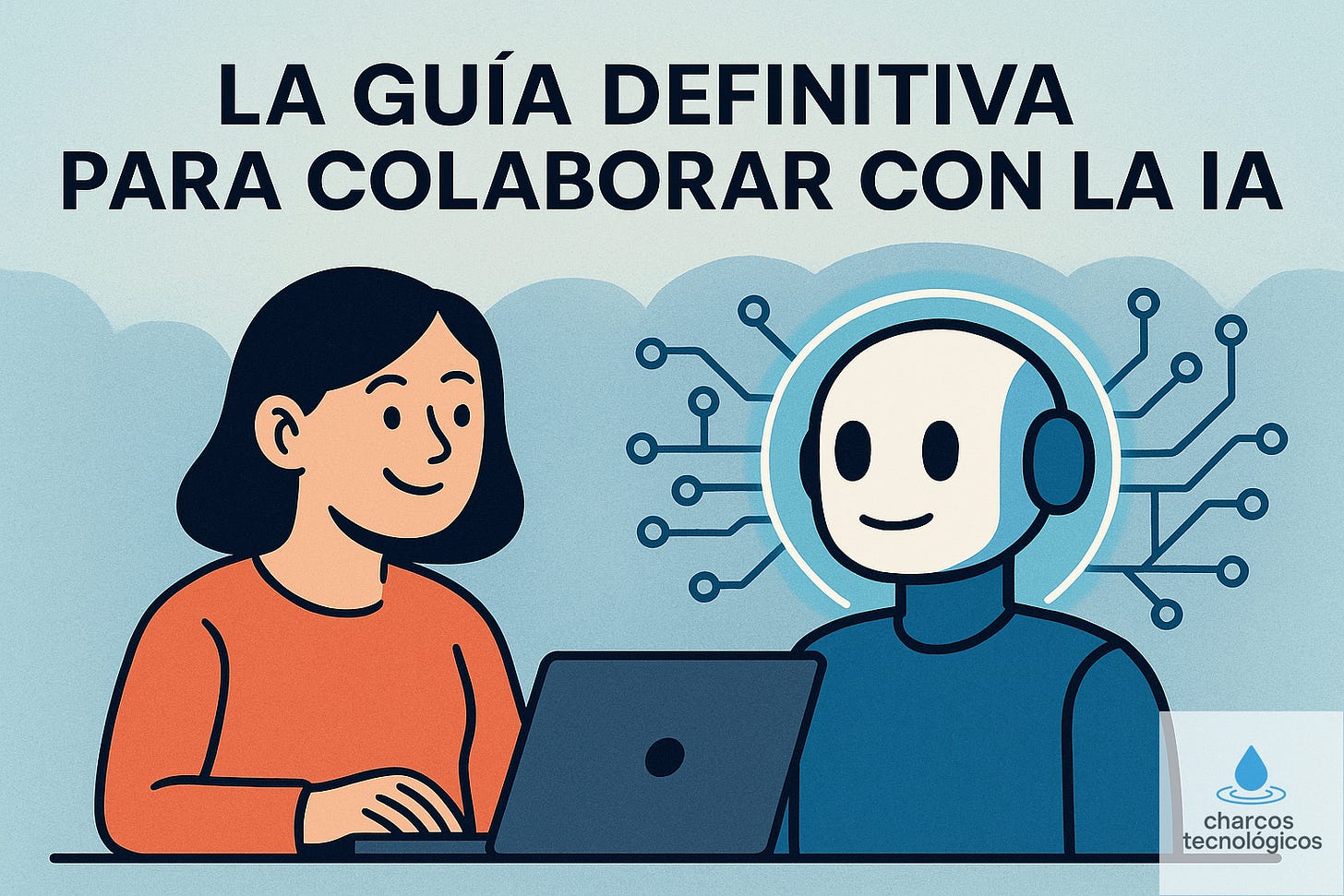
Collaborating with artificial intelligence goes beyond using it as an assistant; it involves creating shared workspaces where teams can interact and develop projects together. From sharing conversations to using platforms like ChatGPT Projects and Claude, collaboration becomes more efficient and accessible, allowing teams to work in the same context and avoid information dispersion.

Deciding with Memory: The Weight of Sunk Cost
Article

Deciding with Memory: The Weight of Sunk Cost

Why we continue to fight battles that are already lost

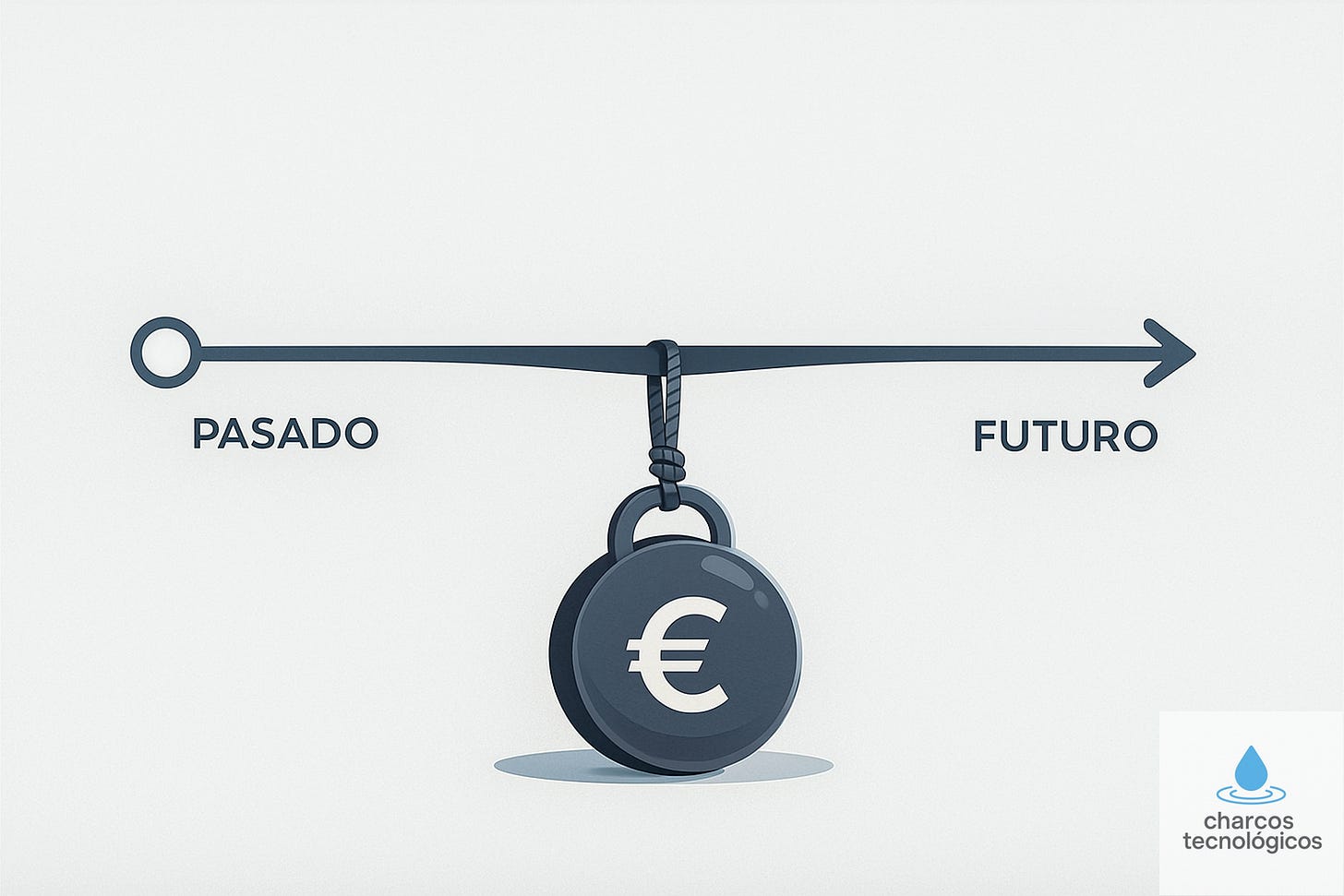
The sunk cost fallacy often traps individuals and businesses into persisting with failing projects due to the emotional weight of past investments. While it’s natural to want to justify previous decisions, clinging to what’s already lost can lead to further wasted resources. Recognizing when to let go and make data-driven decisions, possibly aided by artificial intelligence, can ultimately save time and money.

When Machines Ask 'What Happens When We Die?'
Article

When Machines Ask 'What Happens When We Die?'

Because the boundary between thinking and feeling is closer to death than to silicon.

The exploration of what happens when we die reveals profound insights into the human experience and our relationship with machines. While artificial intelligence can process information and reason, it lacks the emotional depth that comes from the awareness of mortality, a trait that defines our humanity. This article delves into the significance of understanding death, not just as an end, but as a catalyst for empathy and connection in a world increasingly dominated by technology.

The Syndrome of Constant Progress
Article

The Syndrome of Constant Progress

When artificial intelligence forces us to run without looking back.

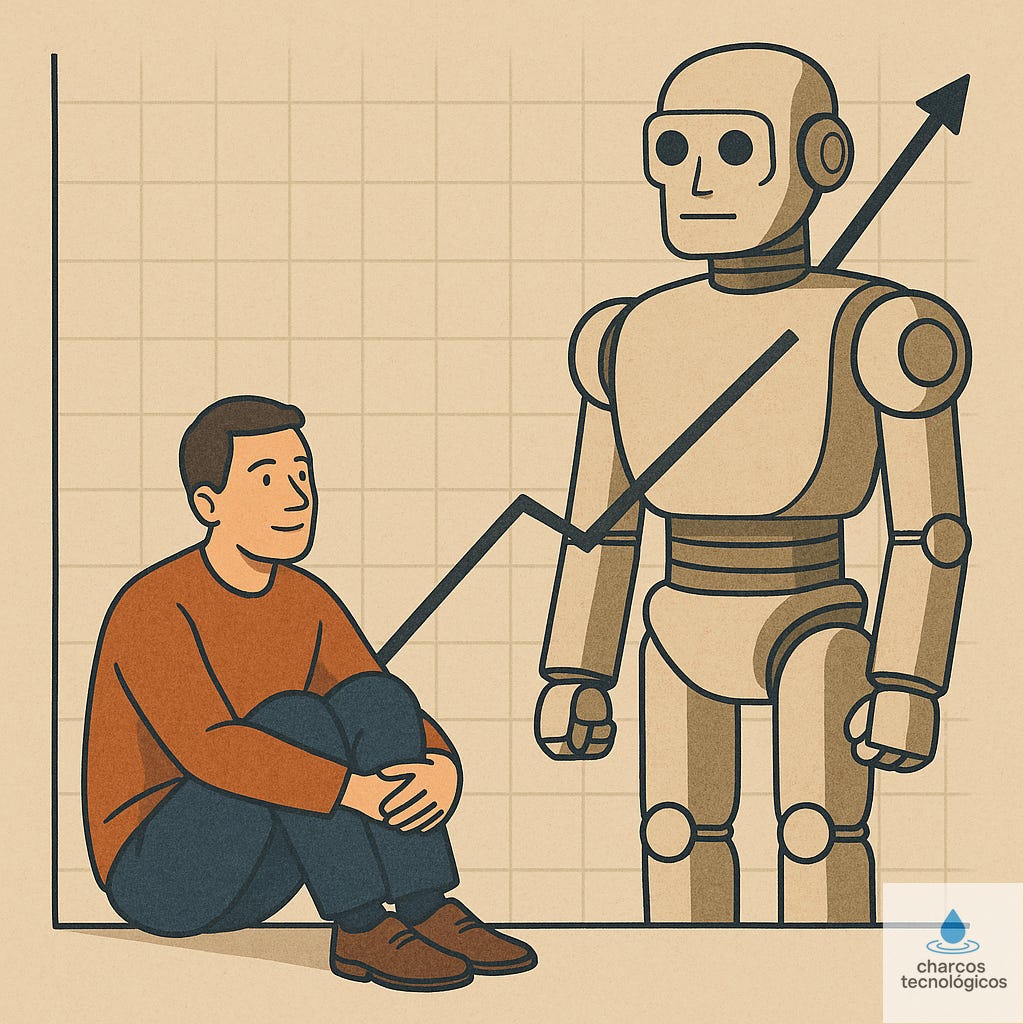
In a world obsessed with speed and constant progress, many are feeling the weight of cognitive anxiety as they struggle to keep up with rapid changes driven by technology and artificial intelligence. The relentless push for advancement often leads to a lack of deep understanding and focus, leaving individuals exhausted and overwhelmed. True progress may lie in the ability to pause, reflect, and choose what is worth learning, rather than succumbing to the pressure of perpetual motion.

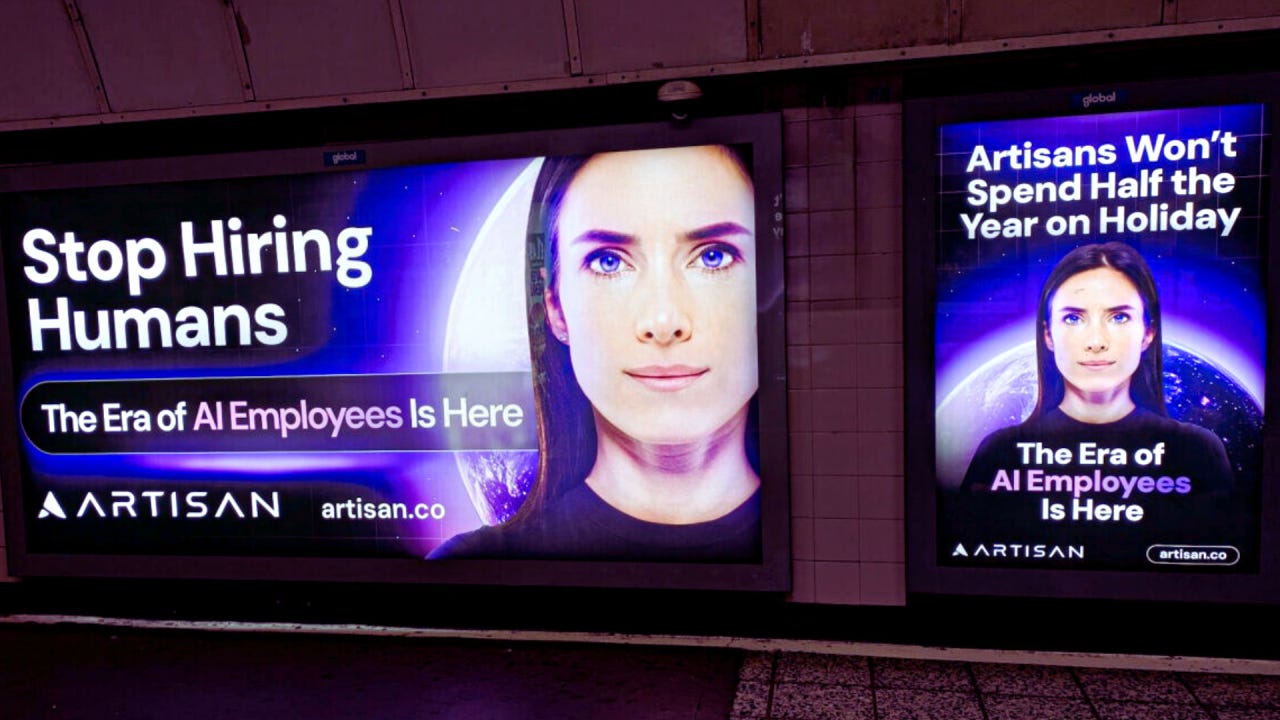
Stop Hiring Humans: When Marketing Disguises Itself as Apocalypse
Article

Stop Hiring Humans: When Marketing Disguises Itself as Apocalypse

The controversial campaign by Artisan and the risk of turning dehumanization into a brand strategy.

The provocative campaign 'Stop Hiring Humans' by Artisan sparked outrage and debate about the implications of AI in the workforce. While it generated significant revenue and attention, it also highlighted the dangers of dehumanizing marketing strategies that play on societal fears of job replacement. As companies increasingly prioritize shock value over empathy, the article urges a reevaluation of how we communicate about automation and its impact on human roles.

A Great Lack of Knowledge Leads to a Huge Expense
Article

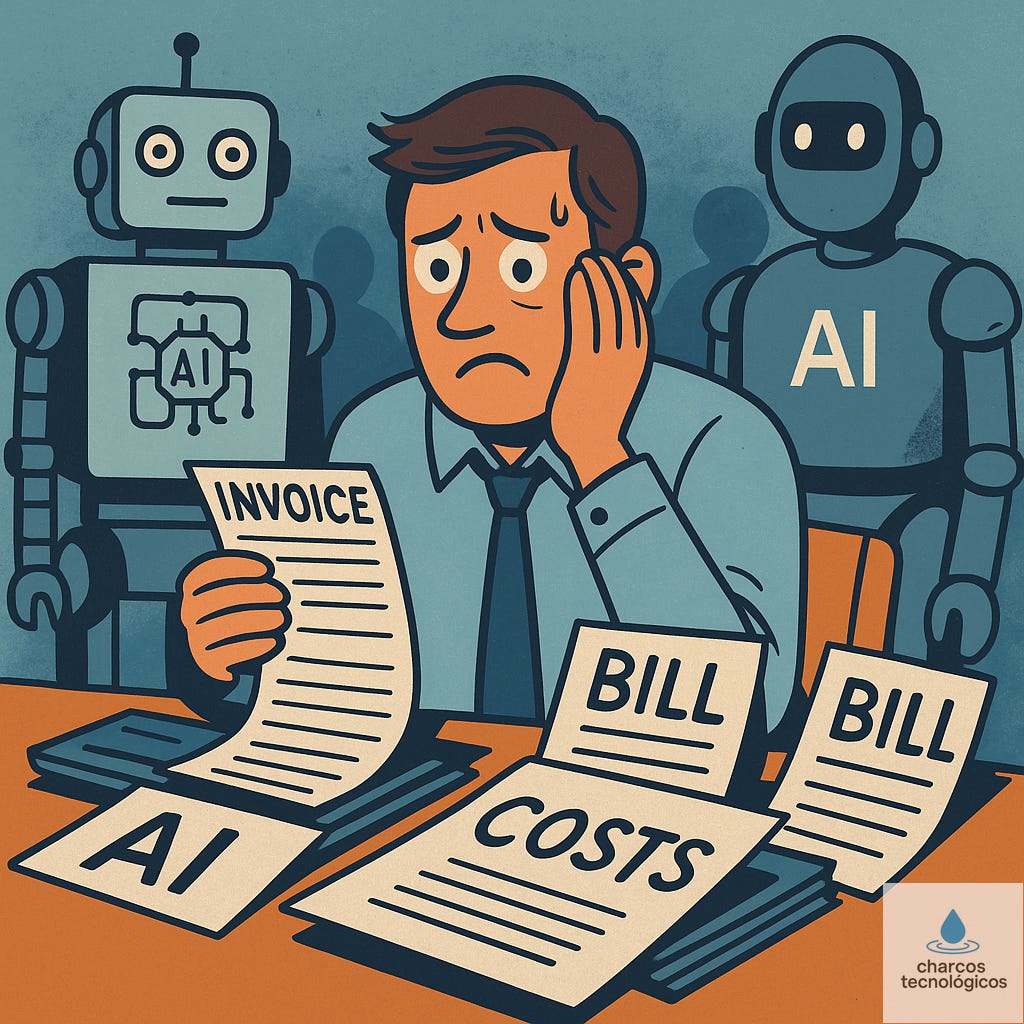
A Great Lack of Knowledge Leads to a Huge Expense

How to decide when to use AI, how to implement it properly, and how not to ruin yourself in the process.

In today's tech landscape, many companies are falling prey to the allure of AI without fully understanding its implications. Instead of blindly adopting expensive AI solutions, businesses should critically assess whether simpler, traditional programming methods could achieve the same results more efficiently and cost-effectively.

Neither Before nor After: The Art of Launching at the Right Moment
Article

Neither Before nor After: The Art of Launching at the Right Moment

Between the anxiety of 'now' and the fear of 'not yet,' the life or death of a product is decided.

Timing is everything when it comes to launching a product, and rushing to market can lead to failure. Instead of adhering to the pressure of immediate launches, it's crucial to understand the core of your product and ensure that both the market and your offering are ready, allowing for a more strategic and thoughtful approach to success.

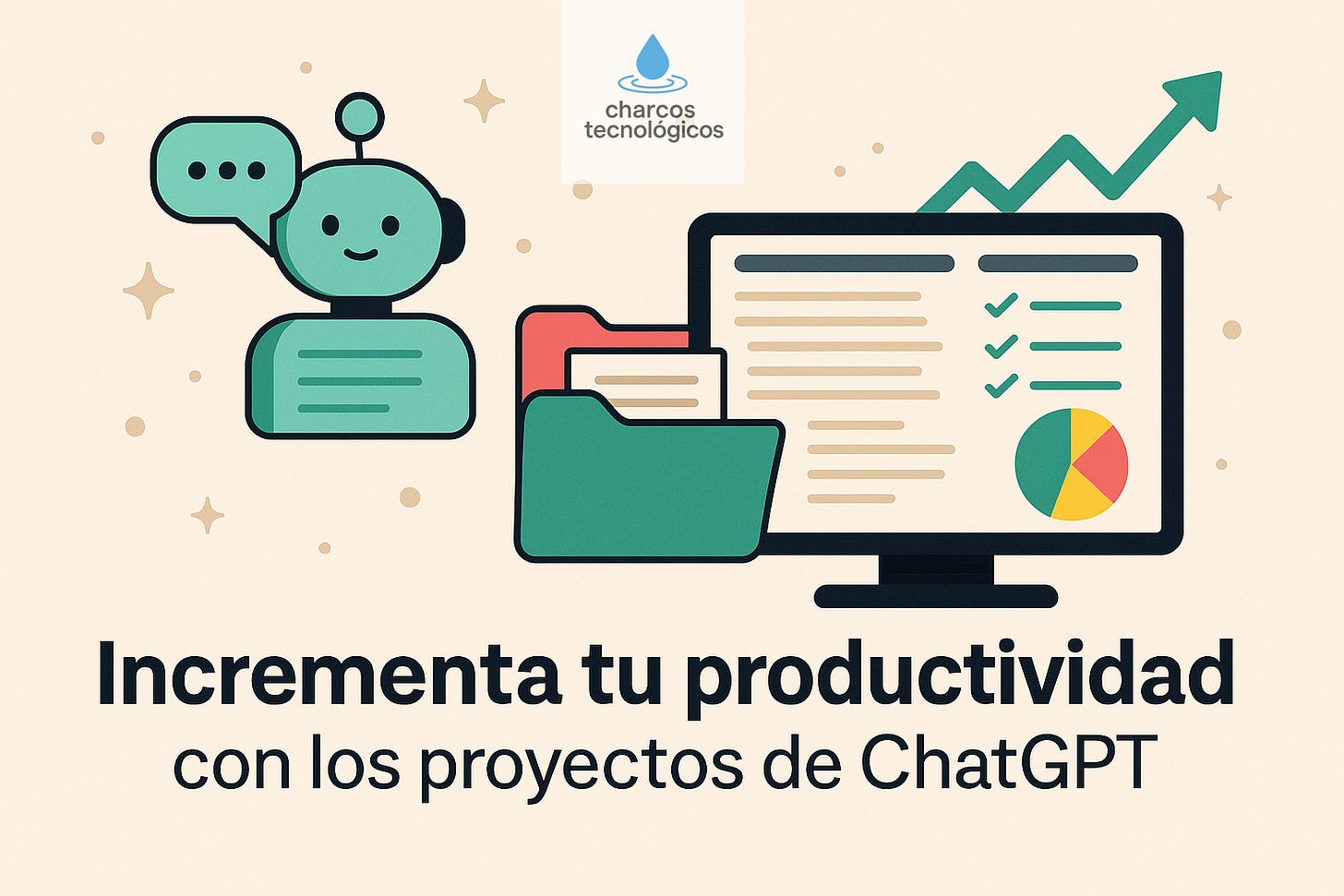
Increase Your Productivity with ChatGPT Projects
Article

Increase Your Productivity with ChatGPT Projects

How to organize your chats, files, and sanity so that ChatGPT works with you and not against you

Maximizing productivity with ChatGPT can be a game-changer, especially when you organize your work into structured projects. By grouping chats, files, and instructions under a single objective, you can streamline your workflow, avoid confusion, and enhance focus. Implementing strategies like clear project naming, concise instructions, and effective memory management can significantly improve your efficiency and reduce frustration.

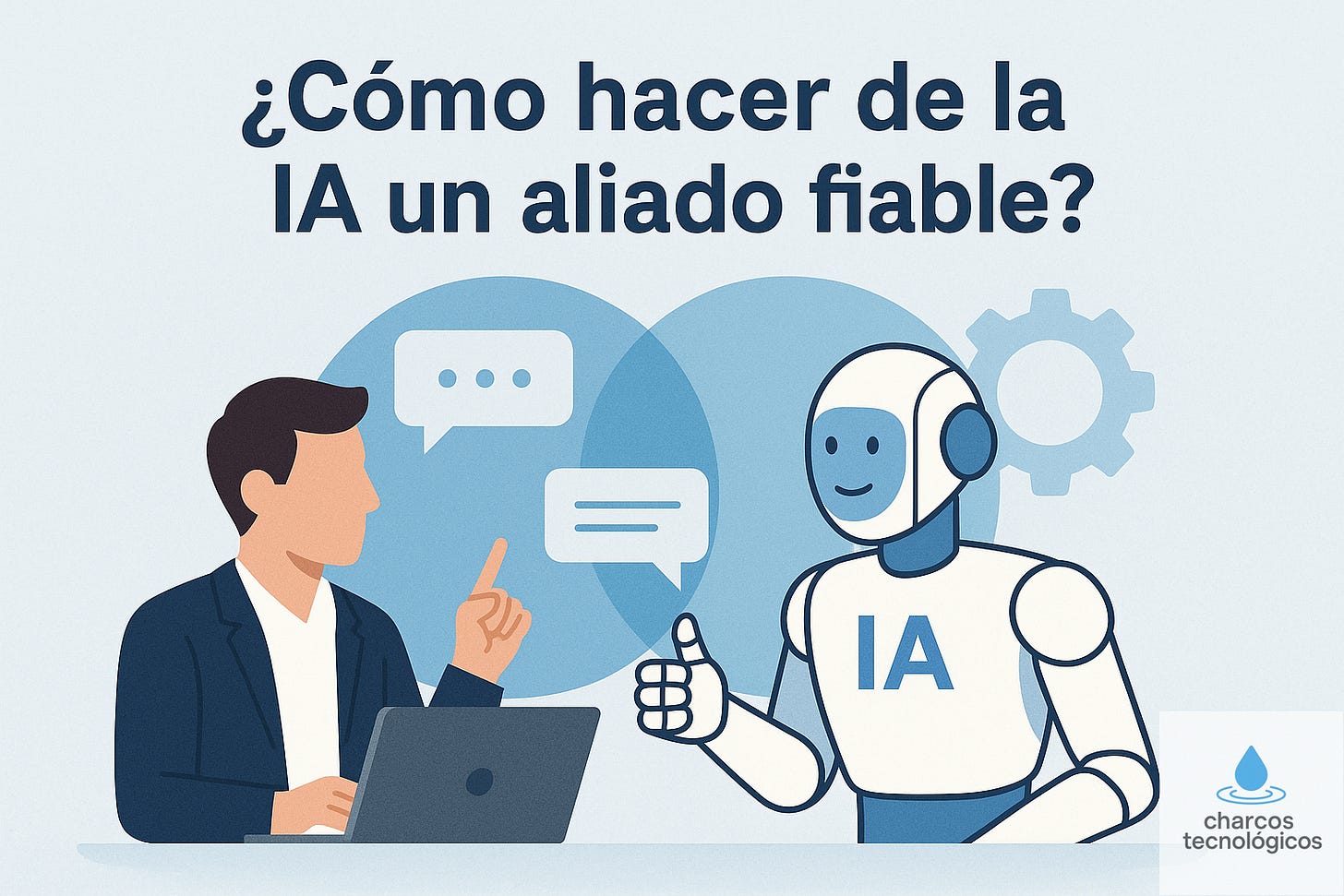
How to Make AI a Reliable Ally?
Article

How to Make AI a Reliable Ally?

From magic to methodology: how to tame LLMs and make them productive

Harnessing AI effectively can significantly boost productivity, but it requires a clear understanding of its limitations. Rather than relinquishing control, users should establish a structured framework for AI tasks, ensuring human oversight and validation to avoid errors. By using classical programming for deterministic tasks and crafting precise prompts, AI can become a reliable ally in various professional settings.

Confessions of a Human in the Age of AI
Article

Confessions of a Human in the Age of AI

What truly worries me (and what doesn't) about the noise surrounding AI

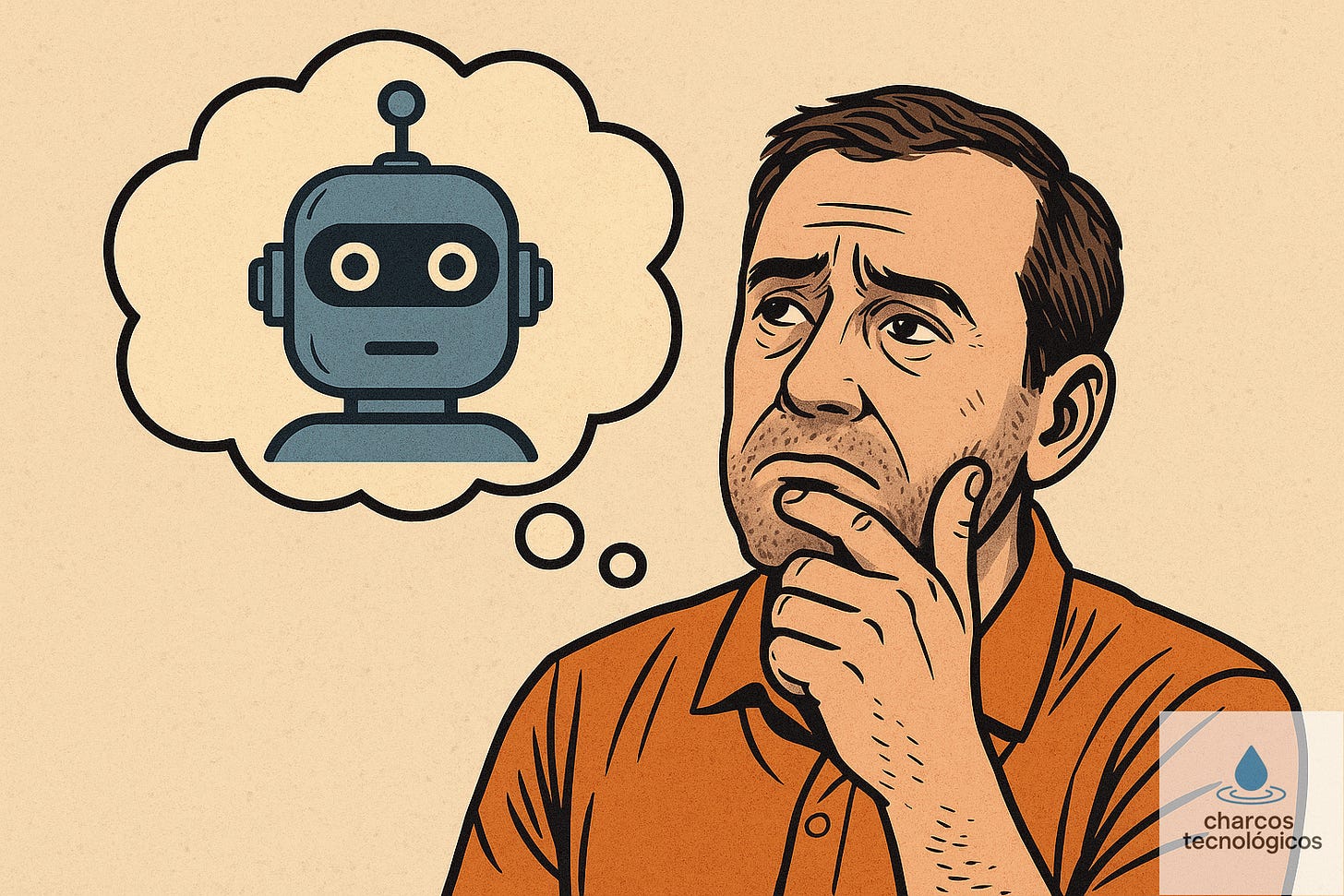
In an era dominated by artificial intelligence, the essence of being human is under scrutiny. The author reflects on the importance of maintaining our identity amidst technological advancements, emphasizing that while machines can perform tasks, they lack the ability to truly understand and connect with others. The challenge lies not in competing with AI, but in preserving the human qualities of thought, empathy, and purpose.

Is Your Job Fixed... or Rented to a Machine?
Article

Is Your Job Fixed... or Rented to a Machine?

Uncomfortable questions about employment, machines, and the strange value of remaining human.

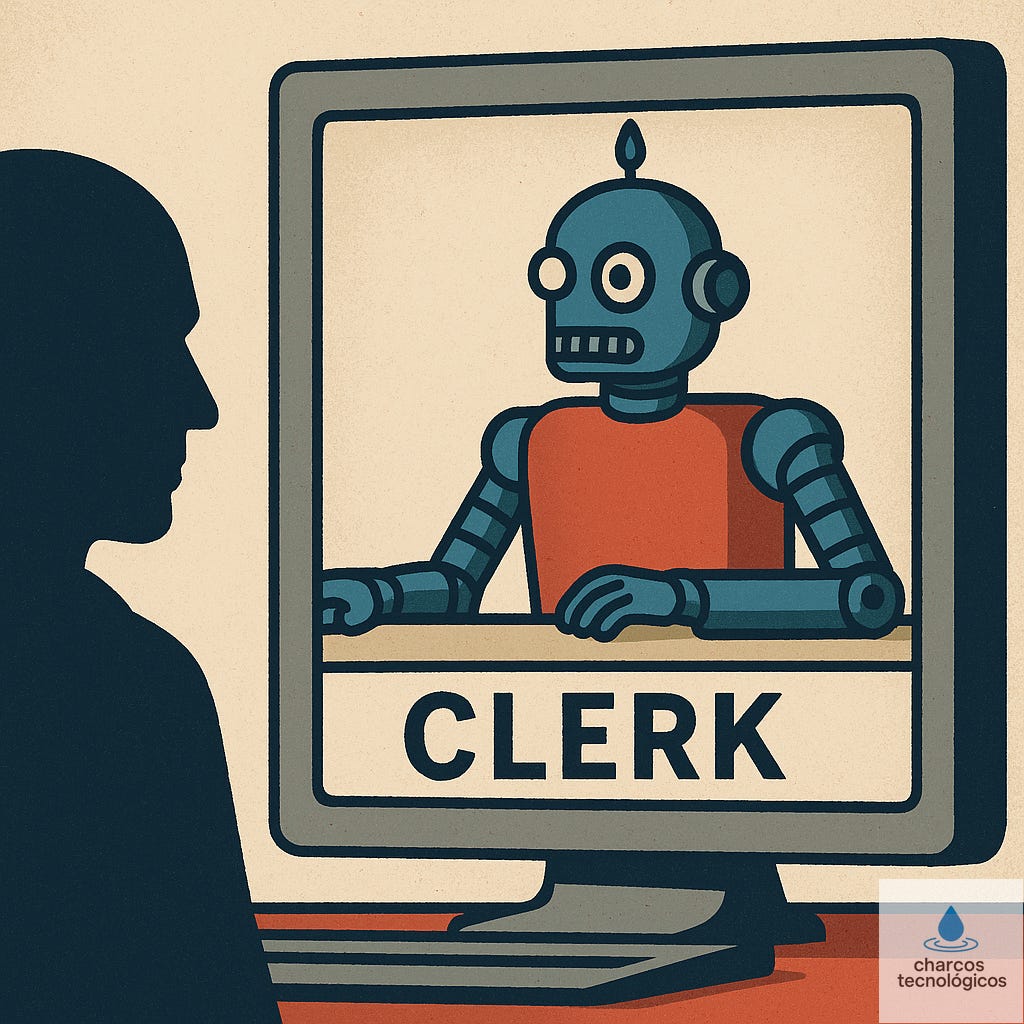
As artificial intelligence increasingly integrates into the workplace, many are left wondering about the future of their jobs. Rather than outright replacement, AI often takes over smaller tasks, leading to a gradual erosion of traditional roles. The key question shifts from what we do to how we do it, emphasizing the importance of purpose in a world where machines are becoming more capable.

The Hype of Generative AI: Bubble or Technological Religion?
Article

The Hype of Generative AI: Bubble or Technological Religion?

The day I discovered my new 'oracle'

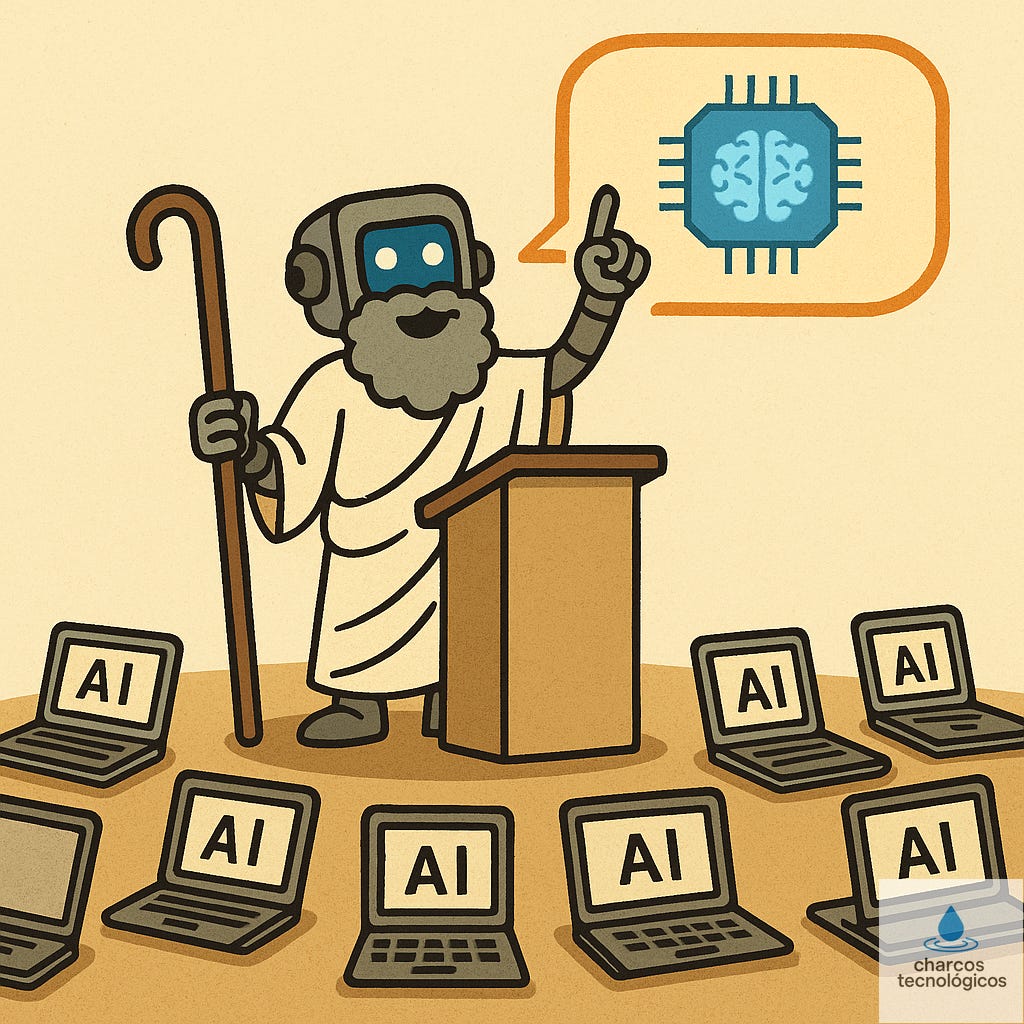
Generative AI is rapidly becoming the latest technological obsession, drawing parallels to past tech trends that promised revolutionary changes but often fell short. While it offers genuine utility in tasks like writing and programming, the fervent belief in its capabilities risks transforming it into a dogma, overshadowing critical thinking and realistic expectations.